- Turn Off Appliances at the Plug
Even when turned off, many appliances continue to use electricity if left plugged in. This is known as “vampire drain.” Switch them off at the plug or unplug devices like chargers, TVs, consoles, and computers when not in use to save on energy costs. Based on research by British Gas a couple of years ago this could save nearly 150 pounds a year! See the full details here.
- Best Tariff for You?
Tariffs are starting to become competitive again (Summer 24), and it might be worth looking at switching to a different deal. If you can shift your electric use to non-peak times (hours outside 4pm to 8pm) you could benefit from a flexible time of use tariff. Some great independent information available from Martin Lewis’s team at his website.
- Meter readings & Smart Meters
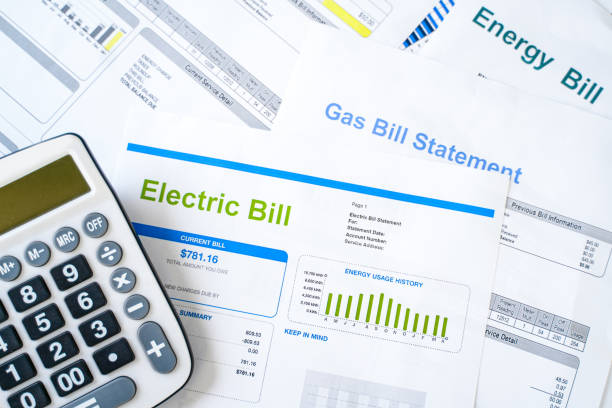
To ensure your bill isn’t estimated, potentially leading to higher initial costs, make sure you submit meter readings or make sure your energy provider can access your meters. Switching to smart meters ensures you are always paying for exactly what energy you use as the provider is updated every 30 minutes. Smart meter displays can give you a great insight into how much energy is costing in real time, allowing you to see the difference when you use different appliances. Your energy provider will upgrade you to a smart meter for free.
- Only Heat the Rooms You Use
Close doors to unused rooms to prevent heat from escaping into them. This helps concentrate warmth in the areas where you spend the most time, reducing the energy required to maintain a comfortable temperature.
- Only Boil the Water That’s Needed
If you’re typically making one or two cups of tea why not fill the kettle from the mug so you know you’re not wasting any energy heating up water that won’t be used. Empty the kettle in the sink, fill the mug you’re going to use with cold water, pour it into the kettle, perfect amount of water for your brew.
 River Ivel Community Energy